Quick Facts
- Engine Safety: Extensive analysis of millions of vehicles indicates no immediate catastrophic engine failure, though chemical wear accumulates over time in non-certified cars.
- Mileage Efficiency: Drivers should expect a drop in fuel economy of approximately 3% to 3.5% due to ethanol having lower energy density than gasoline.
- Critical Deadline: In the Indian market, vehicles manufactured after April 2023 are generally engineered for BS6 Phase II compliance and are ready for higher ethanol blends.
- Corrosion Risk: Ethanol is naturally hygroscopic, meaning it attracts moisture, which can lead to internal corrosion in older fuel systems.
- Compatibility Gap: Data shows that only 20% of petrol vehicles sold in India during the 15 years prior to 2023 were specifically engineered to handle E20 fuel.
- Insurance Validity: Standard motor insurance policies remain legally valid when using E20, but claims for consequential damage like fuel line corrosion are often rejected.
E20 petrol (a 20% ethanol blend fuel) is becoming standard in India. While newer BS6 Phase II compliant vehicles are ready for it, many older car owners worry about engine damage. E20 can corrode fuel system parts in non-compatible cars, but it won't cause immediate failure in most modern engines.
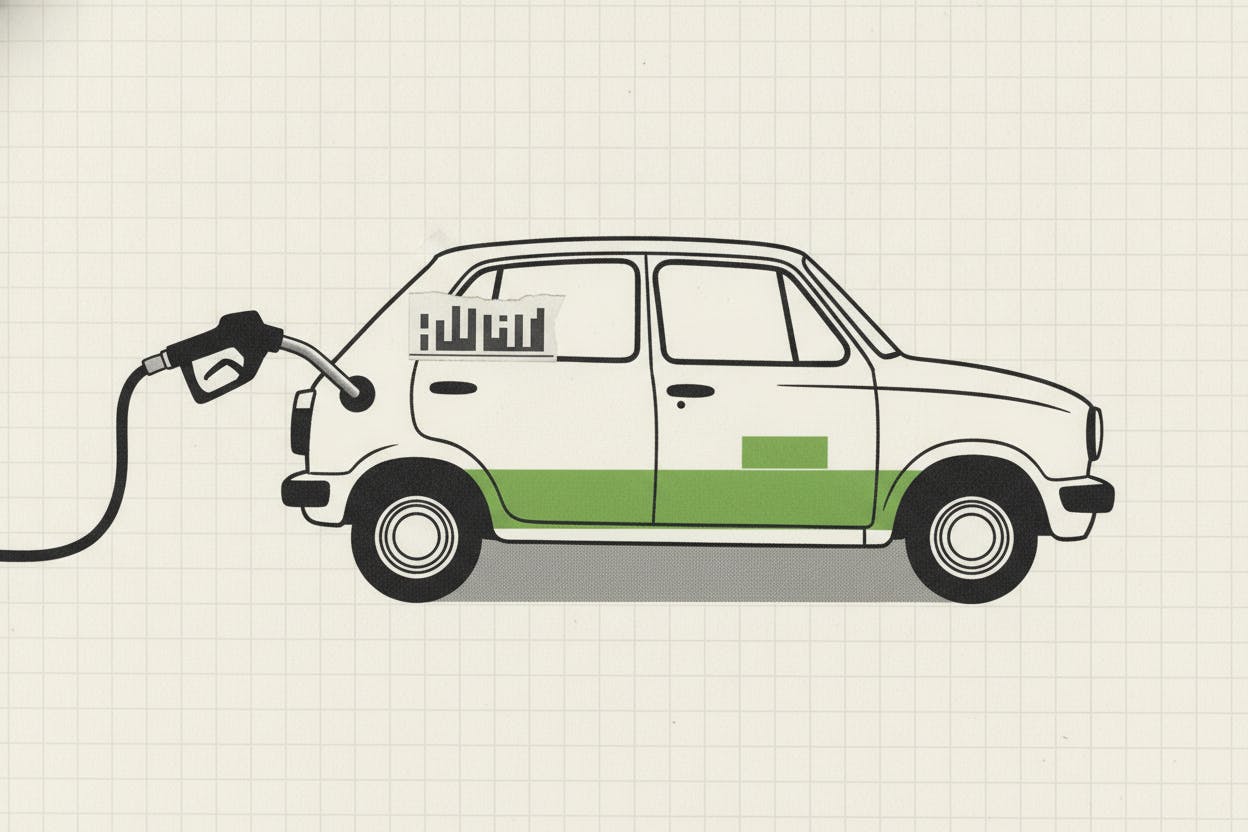
The transition toward renewable energy is often seen as a win for the environment and national trade balances, but for the average car owner, it brings a suite of technical questions. As we move from E10 to E20 petrol, the primary concern isn't whether the car will start in the morning, but how the internals of that engine will look five years from now. At our editorial desk, we have analyzed the data from various automotive bodies to help you navigate this transition without losing sleep—or your engine's longevity.
The Science of Damage: Why Ethanol Affects Older Engines
At a chemical level, ethanol is quite different from the petroleum-based gasoline engines were originally designed to burn. The most significant issue is that ethanol possesses hygroscopic properties. In plain English, ethanol acts like a sponge for water. It absorbs moisture from the atmosphere, and once the water content in the fuel tank reaches a certain threshold, a process called phase separation of fuel occurs. This creates a watery, acidic layer at the bottom of the tank that is highly corrosive to metal components.
Beyond moisture, we must consider material compatibility. Many older vehicles utilize specific types of rubber and plastic in their fuel systems. High concentrations of ethanol can lead to elastomer degradation, where fuel system seals and hoses become brittle, crack, or even begin to dissolve. This is not just a performance issue; it is a safety risk, as degraded seals can lead to fuel leaks.
When comparing e20 petrol vs normal petrol engine wear, the differences are subtle but cumulative. While normal petrol (usually E10 in modern contexts) also contains ethanol, the jump to 20% doubles the chemical stress on injectors and intake valves. In older engines, this can result in pitted metal surfaces and clogged injectors due to the loosening of old debris caused by ethanol's solvent-like nature.
Compatibility Audit: Is Your Vehicle E20-Ready?
Determining if your vehicle can handle this fuel requires more than just checking the year of manufacture, though that is a good starting point. In India, the landmark shift occurred with the introduction of BS6 Phase II compliance. Most vehicles hitting the showroom floors after April 2023 are explicitly designed to be E20-compliant. However, being "compliant" with emissions standards does not always mean the engine is optimized for the fuel's chemical properties.
To perform an e20 fuel compatibility check for older cars, you should follow these steps:
- Check the owner's manual for recommendations on ethanol percentage.
- Look for a sticker on the inside of the fuel filler cap (many modern cars will specify E5, E10, or E20).
- Contact the manufacturer with your Vehicle Identification Number (VIN) to confirm the material specifications of your fuel lines.
The scale of the compatibility issue is significant. Statistics from the Society of Indian Automobile Manufacturers (SIAM) reveal that only 20% of petrol vehicles sold in India during the 15 years prior to 2023 were engineered with the necessary hardware to survive long-term exposure to E20. This leaves a vast majority of the "car boom" generation of vehicles at potential risk. Furthermore, a survey of over 44,000 owners noted that 29% of respondents with petrol vehicles manufactured in 2022 or earlier noticed unusual wear and tear once they shifted to higher ethanol blends.
The Economic Reality: Mileage and Pump Prices
One of the most immediate e20 petrol disadvantages is the impact on your wallet at the pump—not necessarily in the price per liter, but in how often you need to refill. Ethanol contains roughly 33% less energy per unit of volume than pure gasoline. Therefore, when you increase the ethanol content, you decrease the overall energy density of the fuel.
Our analysis of technical data suggests a consistent e20 petrol mileage drop of approximately 3% to 3.5% compared to E10. For a car that typically gets 15 km/l, this drop might seem negligible, but over thousands of kilometers, the cost adds up. Some drivers ask, is e20 gas the same as 87 or 91 octane? While ethanol actually increases the octane rating (preventing engine knock), it does not provide the same "bang" for your buck in terms of distance traveled.
| Feature | Normal Petrol (E10) | E20 Petrol |
|---|---|---|
| Ethanol Content | ~10% | ~20% |
| Efficiency Impact | Baseline | 3% - 3.5% decrease |
| Risk of Corrosion | Low | Moderate to High in older cars |
| Energy Density | Higher | Lower |
| Octane Boost | Moderate | High |
This mileage penalty is the price we pay for a lower-carbon fuel source. Even in engines that are fully compatible, the internal combustion engine wear remains largely the same, but the fuel injection system must work slightly harder (spraying more fuel) to maintain the same power output, which is the root cause of the efficiency decline.
Insurance and Warranty: Does Car Insurance Cover E20 Petrol Damage?
This is the area where most car owners find themselves in a "grey zone." There is a vital distinction between your insurance policy being "valid" and a specific claim being "approved."
According to the Press Information Bureau (PIB), the use of E20 fuel does not invalidate a vehicle's motor insurance policy. This means if you have an accident while using E20, your collision coverage remains intact. However, insurance companies traditionally exclude what they call "consequential damage."
Legal Alert: Most standard motor insurance claims will be rejected if the damage is caused by the gradual process of corrosion or the use of improper fuel. If your manufacturer explicitly states that the car is only compatible with E10, and you experience a fuel pump failure due to E20 exposure, the insurer may classify this as "negligence" or "misuse."
Similarly, car warranty e20 petrol engine damage is a major concern for those with newer (but not E20-certified) vehicles. Many manufacturers have included Warranty exclusion clauses that specifically mention the use of unapproved fuel blends. If a technician finds evidence of moisture-related damage or elastomer degradation in a car not rated for E20, the cost of repair—which can run into tens of thousands of rupees for fuel injectors and tanks—will likely come out of the owner's pocket.
Protection and Maintenance Tips for Non-E20 Cars
If you own an older vehicle and E20 is the only fuel available at your local stations, you aren't completely helpless. There are steps you can take to mitigate the risks associated with an ethanol blend fuel.
- Use Corrosion Inhibitors: There are aftermarket additives designed specifically to combat the acidic nature of ethanol and prevent moisture buildup.
- Shorten Filter Intervals: Because ethanol acts as a solvent, it will likely loosen years of gunk from your fuel tank. You should replace your fuel filters more frequently during the first year of using E20.
- Avoid Long-Term Storage: If you don't plan to drive your car for more than two weeks, try to keep the tank near empty or use a fuel stabilizer. This prevents the phase separation of fuel that occurs when the car sits idle and breathes in humid air.
- Inspect Fuel System Seals: During every service, ask your mechanic to specifically check the rubber fuel hoses for signs of softening or cracking to prevent leaks before they become dangerous.
While the shift to E20 is a necessary step for energy independence and lower emissions, it places a unique burden on owners of legacy vehicles. By understanding the material limits of your car and the nuances of your insurance policy, you can make informed decisions about how to fuel your journey.
FAQ
What is E20 petrol?
E20 petrol is a motor fuel blend consisting of 80% unleaded gasoline and 20% ethanol. The ethanol is typically derived from renewable sources like sugarcane or food grains. It is designed to reduce reliance on imported crude oil and lower carbon emissions from vehicles.
Which is better, E20 or normal petrol?
The answer depends entirely on your vehicle. For a BS6 Phase II compliant car, E20 is perfectly fine and helps reduce your carbon footprint. However, for older cars, normal petrol (E10 or lower) is better because it carries a lower risk of corroding internal fuel system components and provides slightly better fuel efficiency.
What are the disadvantages of E20 fuel?
The primary drawbacks include a 3% to 3.5% reduction in fuel mileage due to lower energy density and the potential for long-term corrosion in older engines. It can specifically cause the degradation of rubber seals and metallic parts in fuel systems not designed for high ethanol concentrations.
Is E20 the same as 91?
No, E20 and 91 refer to different characteristics of the fuel. The number 91 usually refers to the octane rating, which measures the fuel's resistance to "knocking" or pre-ignition. E20 refers to the ethanol percentage. While E20 often has a higher octane rating than 91, they are not the same thing; you can have E20 fuel with various different octane levels.