You’ve likely noticed the trend on your monthly statements: electricity rates are climbing by 5% or more, while natural gas has surged by as much as 12% in recent years. For most households, these aren’t just numbers on a page; they represent a slow, steady leak in the monthly budget that threatens your long-term savings goals.
But here is the reality: lowering your utility bills doesn’t require you to sit in a dark, cold house or sacrifice your quality of life. Smart budgeting isn't about deprivation; it’s about efficiency. By optimizing how you use energy and leveraging a few key pieces of technology, the average household can reduce its monthly electricity costs by 10% to 15%. This guide focuses on the "hidden leaks" you probably haven't considered—from the way you wash your clothes to the silent "vampire loads" draining your wallet while you sleep.
Quick Stats: The Potential of Efficiency
- 60% Reduction: Switching from machine drying to air-drying your clothes can reduce laundry energy consumption by approximately 60% annually.
- 10-15% Savings: Homes using smart energy monitors and occupancy-based thermostats see an average reduction of 10-15% in monthly costs.
- 2x Longevity: High-efficiency habits can double the lifespan of delicate fabrics and major appliances.
1. Rewire Your Laundry Logic: Small Changes, Big ROI
Laundry is one of the most energy-intensive chores in any home, yet it is also where most people waste the most money through outdated habits. We’ve been conditioned to believe that more soap equals cleaner clothes and that the dryer is a mandatory final step. Neither is true, and both are costing you money.
Detergent Discipline Most people use far too much detergent. Modern high-efficiency (HE) washing machines are designed to work with very little water. When you over-pour, the machine has to work harder to rinse out the excess suds, leading to extra rinse cycles and wear on the motor. Pro-Tip: Use no more than two tablespoons of detergent per load. It’s enough to clean your clothes without gunking up the internal sensors of your machine.

The Air-Drying Revolution The dryer is the single biggest energy hog in the laundry room. Switching to air-drying doesn't just save you roughly 60% on laundry-related energy; it also protects your clothes. The heat of a dryer breaks down fabric fibers (that’s what lint is—your clothes falling apart). By using a drying rack, you are effectively giving yourself a tax-free raise every month.
Chemical-Free Softening It’s time to stop buying fabric softeners and dryer sheets. These products work by depositing a waxy, waterproof residue on your clothes. This residue makes towels less absorbent and athletic gear less moisture-wicking. More importantly, this wax gums up the moisture sensors in your dryer, causing it to run longer than necessary.
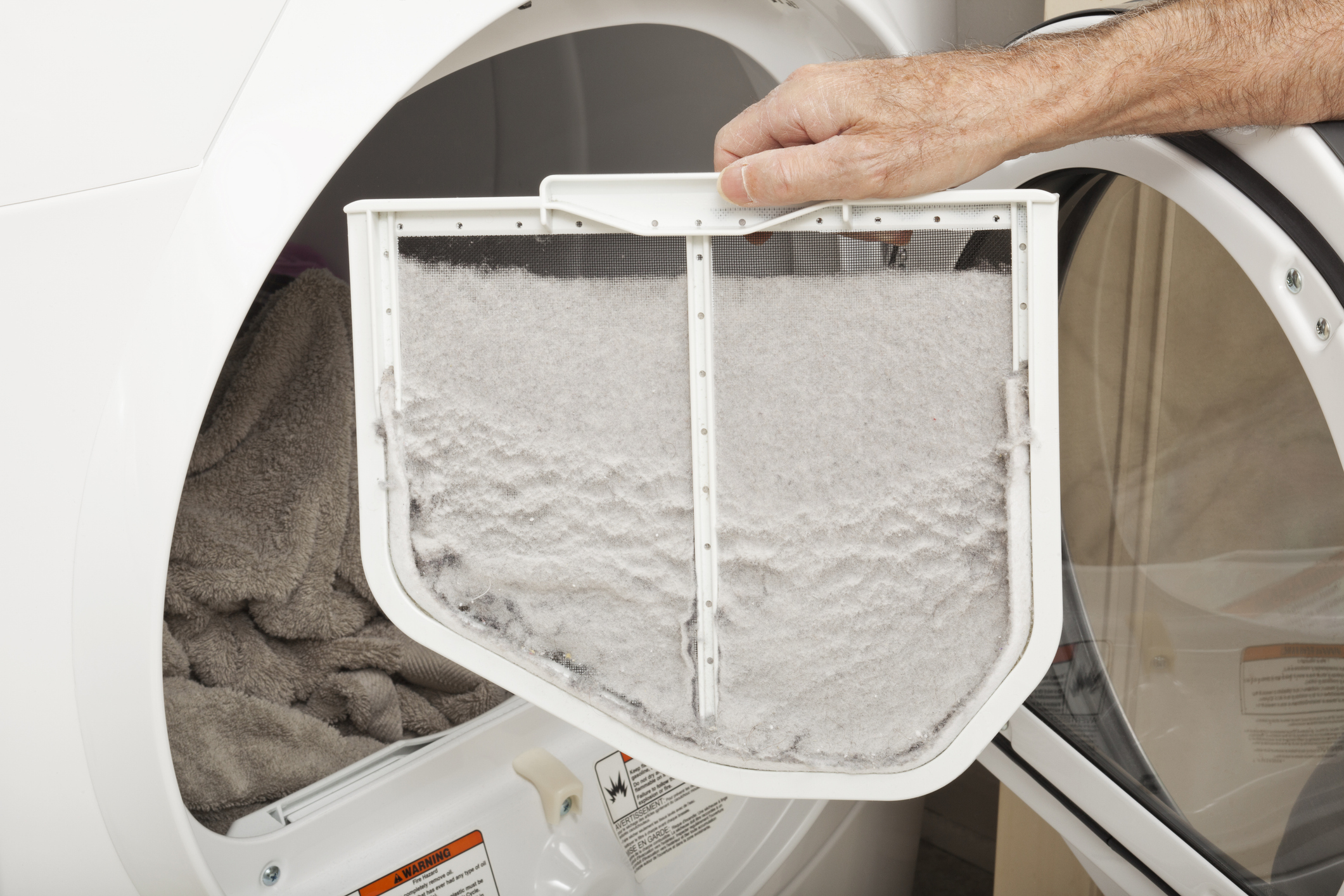
Maintenance Check Efficiency is a matter of airflow. You should clean your lint filter after every single use, but once a year, you need to go deeper. Inspect the drain pump of your washer for debris and use a vacuum attachment to clear the entire dryer vent line leading outside. A clear vent can shave 10 minutes off every drying cycle.

2. Deploy Smart Thermostats for Automated HVAC Savings
Beyond manual habits, hardware provides the next layer of defense. Heating and cooling (HVAC) usually account for nearly half of a home’s energy bill. Most people manually adjust their thermostats, but human memory is a poor tool for energy management. Smart thermostats use occupancy sensors and geofencing (tracking your phone's location) to prioritize rooms in use and scale back energy when you're away.
When you install a smart thermostat, you are moving from a reactive mindset to an automated one. These devices typically save 10-12% on annual heating and cooling costs by ensuring you never pay to heat an empty house.
| Feature | Google Nest Learning (Gen 4) | Ecobee Smart Thermostat Premium | Honeywell Home T9 |
|---|---|---|---|
| C-Wire Required | No (most cases) | Yes (Power Extender incl.) | Yes |
| Remote Sensors | Included (1) | Included (1) | Included (1) |
| Best For | Learning your schedule automatically | Air quality and security integration | Multi-room temperature balancing |
| Price Range | $250 - $280 | $220 - $250 | $160 - $190 |
Pro-Tip: Check your local utility company’s website before buying. Many providers offer rebates of $50 to $100 for installing Energy Star-certified smart thermostats.
3. Install a Home Energy Monitor to Kill 'Vampire Loads'
If you want to master your budget, you need data. Most people only see their energy usage once a month when the bill arrives, which is too late to make changes. Home energy monitors like the Emporia Vue or Sense serve as the "gateway to the inner energy workings" of your home.
These devices attach to your electrical panel and identify the "electricity signature" of specific appliances. They allow you to see, in real-time, exactly how much it costs to run your microwave, your toaster, or your gaming console.
Eliminating Vampire Loads "Vampire loads" are the phantom power consumed by devices that are "off" but still plugged in. Think of your TV, coffee maker, or standby game consoles. In some homes, these idle devices can account for 5-10% of the total electricity bill.
- Basic Solutions: Use the Emporia Vue 3 ($100 range) to track branch circuits.
- Advanced Solutions: AI-driven units like Sense ($300+) can identify specific devices without individual sensors.
Once you identify the culprits, you can use smart plugs to cut power entirely to these devices during the night.
4. Master the Clock: Navigating Time-of-Use (TOU) Rates
Many utility companies have moved to a "Time-of-Use" (TOU) pricing structure. This means electricity is significantly more expensive during "Peak" hours (usually 4 PM to 9 PM) and much cheaper during "Off-Peak" hours (late night and early morning).
If you run your dishwasher and dryer at 6 PM while everyone is home and the grid is stressed, you are paying a premium for the exact same service you could get for half the price at 11 PM.
Automation Strategy You don't need to stay up late to save money. Most modern appliances have a "Delay Start" button.
- Dishwashers: Load them after dinner but set them to run at midnight.
- EV Charging: Schedule your electric vehicle to charge only during the "Golden Hours" of 2 AM to 6 AM.
- App Integration: Use your energy monitor's app to input your local utility rates. The app will then show you your costs in dollars rather than just kilowatts, making the savings much more tangible.
5. Climate-Specific Hardware for Non-Central Systems
Not every home has a central HVAC system managed by a single thermostat. If you live in an apartment with window AC units or a home with mini-splits, you might feel left out of the smart energy revolution. However, there is specific hardware designed to bring these systems into your budget framework.
Devices like the Cielo Breez Max or Sensibo Air use infrared signals to turn "dumb" AC units into smart ones. They allow you to set schedules and use "Comfy Mode"—a feature that keeps the room within a specific temperature and humidity range, preventing the aggressive temperature swings that cause energy spikes.
Pro-Tip: When using window units or mini-splits, focus on "zonal cooling." Only cool the room you are currently in. It is far cheaper to run one unit at 72 degrees than to try to cool an entire floor with multiple units.
FAQ
How much can I realistically save by changing my laundry habits? By switching to cold water washes, using minimal detergent, and air-drying 80% of your loads, the average family of four can save between $150 and $300 per year, depending on local electricity rates.
Are smart thermostats difficult to install? Most installations take about 30 minutes. The biggest hurdle is the "C-Wire" (common wire) which provides constant power. If your home is older and lacks this wire, look for the Google Nest (which can often function without it) or use the Power Extender Kits included with Ecobee models.
Will unplugging my toaster really make a difference? Individually, a toaster’s phantom load is small. However, when you combine a toaster, microwave, three TV setups, and four phone chargers, you are looking at a "vampire load" that can cost $10-$20 a month. Using a smart power strip to kill power to an entire entertainment center at once is the most efficient way to handle this.
Take Control of Your Data
Smart budgeting isn't about guessing; it's about visibility. Start by tackling the laundry room—it’s the easiest win with the highest ROI. From there, move to automation. By letting smart thermostats and energy monitors handle the heavy lifting, you ensure that your home runs efficiently even when you aren't thinking about it.
Consistency is the key to financial stability. Stop letting your utility bill be a monthly surprise and start treating it like a controllable expense.