Quick Facts
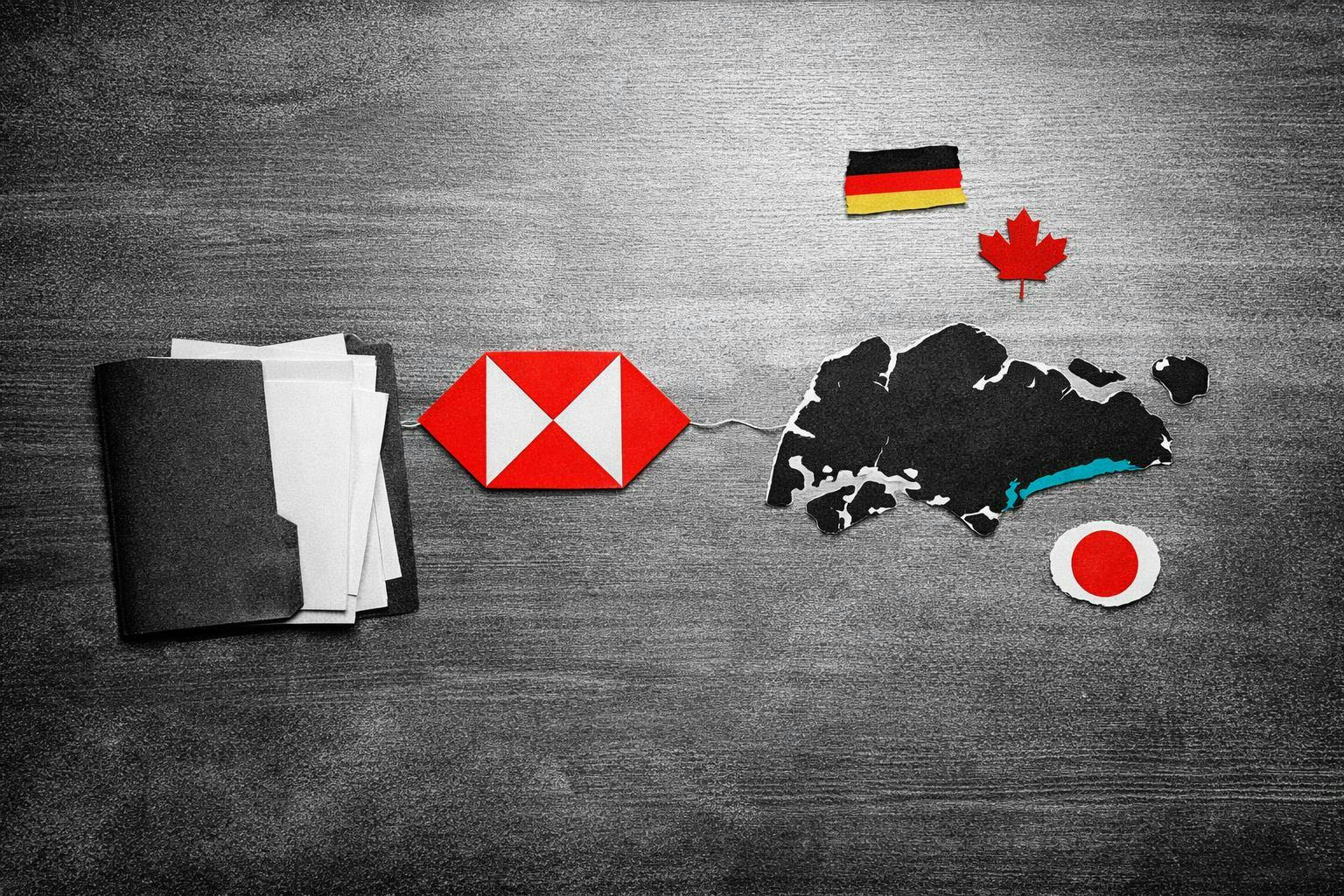
- The Deal: HSBC is exploring the sale of its Singapore life insurance manufacturing unit, with a target valuation exceeding $1 billion.
- The Strategy: The bank is shifting from "making" insurance products to focusing on "distributing" them, part of a broader pivot toward high-return core banking services in Asia.
- Revenue Impact: The manufacturing arm currently generates an estimated $2.3 billion in annual revenue.
- The Bidders: Major global players including Allianz, Sun Life, Dai-ichi Life, and Nippon Life are reportedly in the running.
- Customer Security: Existing policies remain legally binding. HSBC plans to continue selling insurance via its banking network through a long-term partnership with the eventual buyer.
The Headline: What is Happening with HSBC Life Singapore?
If you hold a policy with HSBC Life Singapore or follow the region’s financial markets, the headlines regarding a potential $1 billion divestment might seem unsettling. However, as we look beneath the surface of this strategic review, the picture is one of optimization rather than retreat.
HSBC has officially initiated a process to sell its Singapore life insurance manufacturing business. To facilitate this complex transaction, the bank has appointed JPMorgan as its primary financial adviser. While the process is still in its early stages, non-binding bids from some of the world’s largest insurers are expected within the month.
The core of this deal is a shift in how HSBC serves its clients. The bank is looking to exit the "manufacturing" side—the capital-intensive process of creating and underwriting insurance products—while retaining the "distribution" side. For the average customer, this means you will likely still buy your insurance through an HSBC banker, but the logo on the underlying contract may eventually change to that of a specialized global insurer.
Why Now? HSBC’s Strategic Overhaul
This move is not happening in a vacuum. It is a calculated piece of a much larger puzzle directed by HSBC’s new leadership. Under the "East-West" restructuring plan led by CEO Georges Elhedery, the bank is aggressively streamlining its global footprint to focus on what it does best: core banking and wealth management in its most profitable Asian franchises.
Over the past year alone, HSBC has initiated 11 global business exits. From selling its Canadian operations to exiting retail banking in France, the message is clear: if a business unit isn't a market leader, it’s a candidate for divestment. In the Singapore life insurance sector, HSBC currently sits outside the "Top Five" players. By offloading the manufacturing unit, the bank can free up significant capital that would otherwise be tied up in regulatory reserves, reinvesting those funds into high-growth areas like private banking and digital trade finance.
Zooming out, this is a classic "Capital Allocation" play. By moving to a distribution-led model, HSBC can offer a wider variety of products to its customers without the balance-sheet volatility that comes with underwriting long-term life insurance risks.
The Bidders: Who is Looking to Buy?
The $1 billion price tag reflects Singapore’s status as a "prized hub" for insurance. Despite a mature market, the demand for High-Net-Worth (HNW) and Ultra-High-Net-Worth (UHNW) protection products remains incredibly robust. Several heavyweights are currently circling the deal:
- The Japanese Giants (Nippon Life and Dai-ichi Life): Faced with a shrinking domestic population and ultra-low interest rates at home, Japanese insurers are hungry for regional expansion. They view Singapore as the gateway to Southeast Asia’s growing middle class.
- The Western Contenders (Allianz and Sun Life): Allianz is looking to bolster its footprint in the Asian wealth space. Meanwhile, Sun Life has seen massive success recently with Indexed Universal Life (IUL) products and sees HSBC’s affluent customer base as a perfect match for its sophisticated product suite.
For these bidders, acquiring HSBC’s manufacturing arm isn't just about the $2.3 billion in annual revenue; it’s about securing a long-term "bancassurance" agreement. This would allow them to sell their products directly to HSBC’s massive, loyal client base in Singapore for decades to come.
What This Means for Existing Customers
Whenever a major financial institution announces a sale, the first question from policyholders is always: "Is my money safe?" The short answer is yes. In Singapore’s highly regulated environment, insurance contracts are protected by law, and any transfer of business must meet stringent MAS (Monetary Authority of Singapore) requirements.
To understand the impact, we must distinguish between the two roles HSBC currently plays:
| Feature | HSBC Manufacturing (The Sale) | HSBC Distribution (The Future) |
|---|---|---|
| Role | Creating the product, underwriting risk, and managing the investment fund. | Selling the policy and providing the advisory service. |
| Customer Contact | Handles claims and policy administration. | Your primary point of contact for financial planning. |
| Future Outlook | Likely to be rebranded under the buyer (e.g., Allianz or Sun Life). | Remains HSBC; you still talk to your HSBC Relationship Manager. |
| Impact on Policy | Terms, premiums, and coverage remain unchanged. | You may have access to a broader range of third-party products. |
Expert Tip: Don't panic-sell or surrender your policy based on news of a sale. The "Seamless Transition" model used in previous Singaporean insurance acquisitions (like the Singlife-Aviva merger) ensures that your benefits are locked in. In many cases, a specialized insurer can actually offer better digital platforms and faster claims processing than a generalist bank.
Navigating Your Options: Sell, Surrender, or Stay?
If this news has prompted you to review your portfolio, it’s essential to understand the liquidity of your insurance assets. While "staying the course" is often the best strategy for long-term protection, some investors look for exits when their financial goals change.
- Surrendering to the Insurer: This is the most common route, but often the least profitable. Surrendering early usually results in a significant loss compared to the total premiums paid.
- Policy Reassignment (The Secondary Market): In Singapore, there is a thriving secondary market for endowment and whole-life policies. Companies often referred to as "Endowment Exchanges" buy your policy for a higher cash value than the insurer’s surrender value. They then keep the policy active and collect the eventual payout.
- Staying Put: If your goal is long-term wealth accumulation or family protection, the change in "manufacturer" shouldn't change your strategy. The underlying assets backing your policy are strictly regulated and segregated from the bank's own capital.
Behind the Numbers: The Value of Singapore’s Insurance Market
Why is a business generating $2.3 billion in revenue valued at "only" $1 billion? In the insurance world, revenue isn't the same as profit. The $1 billion valuation is a reflection of the Embedded Value and the potential for future growth.
Singapore is currently benefiting from a "wealth migration" trend. As more family offices set up shop in the city-state, the demand for sophisticated life insurance as a tool for succession planning has skyrocketed. For a buyer like Sun Life or Allianz, HSBC’s Singapore unit isn't just a collection of policies; it’s a high-speed lane into the wallets of the world’s wealthiest individuals.
FAQ
Q: Will my HSBC Life policy premiums increase because of this sale?
A: No. The terms of your existing contract are legally binding. A change in ownership does not give the new owner the right to unilaterally change the premium structure of a guaranteed policy.
Q: Can I still buy HSBC Life products right now?
A: Yes. It is business as usual at HSBC. The bank is currently in the "strategic review" phase, and any actual transfer of ownership would likely take 12 to 18 months to finalize.
Q: Who will handle my claims if the business is sold?
A: If the sale proceeds, the buyer will take over the administrative functions. However, HSBC has expressed its intention to remain the distributor, meaning you would likely still initiate the process through your familiar HSBC channels.
The potential sale of HSBC’s Singapore insurance manufacturing unit is a clear signal of a bank becoming more disciplined with its capital. For investors, it highlights the enduring value of the Singaporean financial hub. For customers, it’s a reminder that while the name on the door might change, the fundamental value of a well-structured protection plan remains the same. Stay focused on your long-term horizon, and let the corporate restructuring play out in the boardroom, not in your financial peace of mind.