Quick Facts
- The Record High: Global banking fraud costs hit a staggering $45 billion in 2024, largely driven by the weaponization of generative AI.
- The 30-Second Threat: Scammers can now clone a human voice with as little as 30 seconds of audio pulled from social media or a voicemail.
- Institutional Shift: Approximately 90% of major financial institutions have integrated AI-powered defense systems to combat these sophisticated attacks.
- The Golden Rule: If you receive a suspicious call, hang up immediately and dial the official number on the back of your physical credit or debit card.
The era of the "foreign royalty" email—riddled with typos and clumsy grammar—is officially dead. In its place, a new breed of predator has emerged, powered by the same generative AI that we use to write emails or generate images. These modern scams are the digital equivalent of a "ketchup stain" ruse: they distract you with a hyper-realistic problem while quietly cleaning out your accounts.
As global banking fraud costs reached a record $45 billion in 2024, the shift isn’t just a trend—it’s a survival necessity for every digital banking user. Criminals are now using large language models and voice synthesis to create "perfect" bait, making it harder than ever to distinguish a legitimate bank alert from a malicious trap.
How AI Changed the Phishing Game
Traditional phishing relied on volume—sending millions of emails hoping a few people would bite. AI phishing relies on precision. By scouring your public social media profiles, LinkedIn updates, or leaked data from previous breaches, AI can generate messages that reference your recent travel, a specific purchase you made, or even your professional title.
Voice Cloning Scams are perhaps the most chilling evolution. Using just a short clip of audio—perhaps from a video you posted on Instagram—an attacker can call you or a family member using a voice that sounds identical to yours. They might pose as an accountant explaining a "urgent tax discrepancy" or a bank representative verifying a "fraudulent wire transfer."
Deepfake Fraud has also moved into the visual realm. We are seeing a rise in video call impersonation where scammers use real-time deepfake filters to appear as high-level executives or bank officers during "mandatory security briefings."
How can you tell if a banking text is an AI scam? The hallmark of an AI-generated attack is the marriage of hyper-personalization with a false sense of urgency. If a text mentions a specific store you visited or a city you just traveled to, but then demands you click a link "immediately" to resolve a "compromised account," your internal alarm should be ringing.

Legacy Phishing vs. AI-Powered Attacks
| Feature | Legacy Phishing (Pre-2022) | AI-Powered Phishing (2024) |
|---|---|---|
| Language | Broken English, typos, generic greetings. | Flawless grammar, professional tone, personal name. |
| Context | "Your account is locked" (Generic). | "Regarding your $240 purchase at [Specific Store]." |
| Medium | Mostly email. | SMS (Smishing), Voice (Vishing), and Video Deepfakes. |
| Scale | Mass-blast "spray and pray." | Highly targeted "spear phishing" at scale. |
Spotting the Red Flags of an AI Attack
AI may have perfected the grammar, but it often overplays the psychology. To defend yourself, you need to act like a "Digital Columbo"—look for the small inconsistencies that don't add up.
One of the primary red flags is Artificial Urgency. Scammers know that if you have twenty minutes to think, you’ll realize the request is odd. They need you to act in twenty seconds. Phrases like "Immediate action required," "Temporary suspension in 10 minutes," or "Avoid legal action now" are designed to bypass your logical brain and trigger a stress response.
Another red flag is a subtle Tone Shift. Banks spend millions on brand voice consistency. If you usually get polite, automated notifications from your bank and suddenly receive a message that sounds aggressive or overly "chummy," it’s likely a scam.
Opportunistic Timing is also key. AI tools can monitor the news in real-time. Expect a surge in sophisticated phishing attempts during tax season, immediately following a major corporate data breach, or during high-traffic holiday shopping windows like Black Friday.
Defending Your Digital Vault
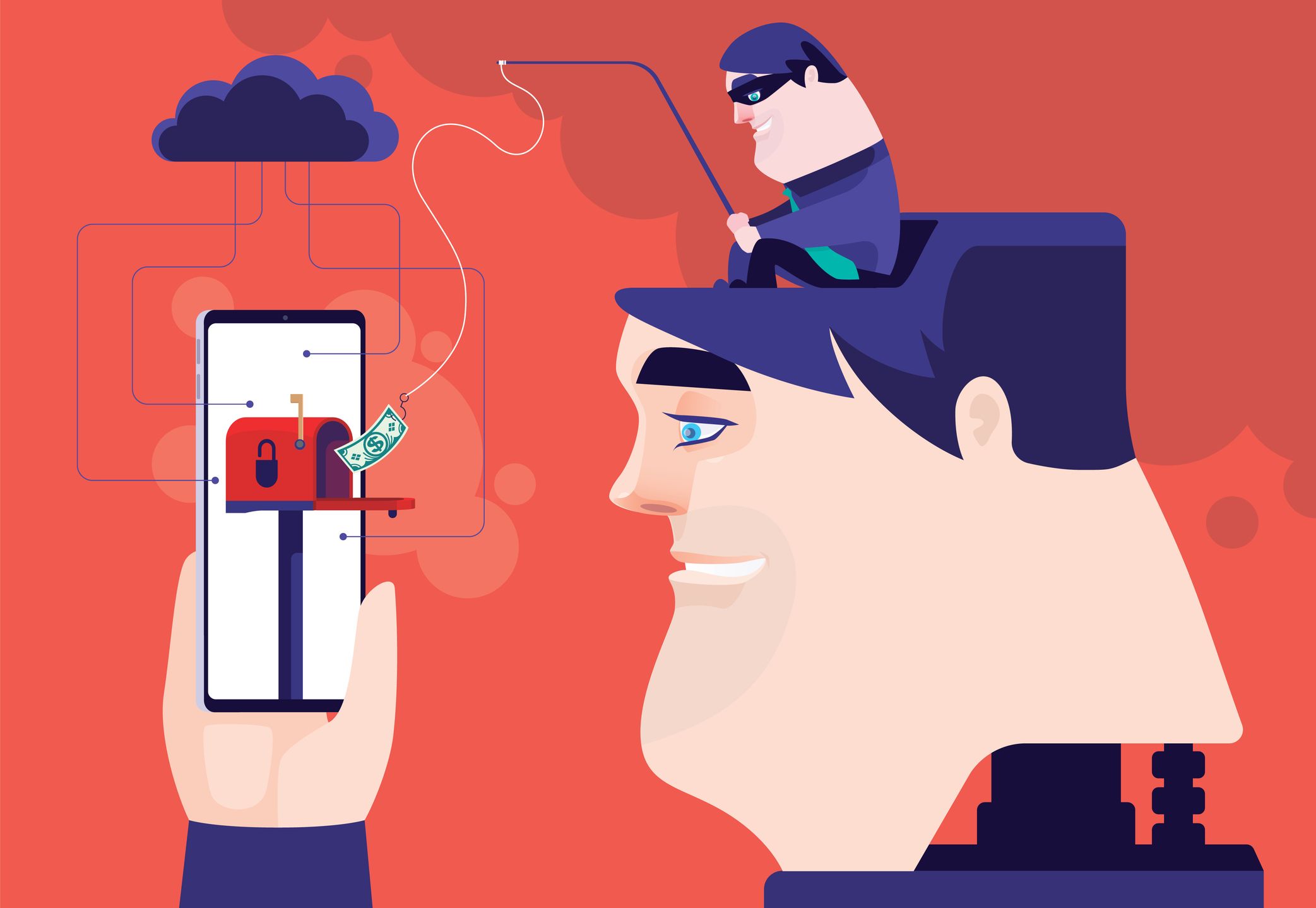
In a world where you can no longer trust your eyes or ears, you must trust your protocols. The most effective way to verify a suspicious bank call is the "Call-Back Rule." Never trust the caller ID, which can be easily spoofed. Instead, hang up and call the official number printed on the back of your physical credit or debit card. This ensures you are speaking to a vetted employee within the bank's secure environment.
Beyond manual verification, Layered Security is your best technical defense. Does 2FA (Two-Factor Authentication) protect against AI phishing? Yes, absolutely. It serves as a critical secondary barrier. Even if an AI scammer successfully tricks you into giving up your password, they still cannot access your account without that secondary code.
Pro Tip: Switch from SMS-based 2FA to an authenticator app (like Google Authenticator or Authy) or a hardware key (like YubiKey). AI scammers can sometimes "SIM swap" your phone number to intercept SMS codes, but they can't easily replicate a physical or app-based token.
Finally, practice strict Password Hygiene. If you are still using the same password for your bank as you do for your old Netflix account, you are leaving the vault door cracked. Encrypted password managers can generate 20-character strings that are impossible for AI-driven "brute force" attacks to guess.
How Banks Are Fighting Back
While the headlines are often dominated by the $45 billion in losses, there is a quieter, $1.5 billion success story happening in the background. Banks are fighting AI with AI.
About 90% of major financial institutions have now moved away from "rule-based" security—which only looks for known patterns—to AI-Powered Defense Systems. These machine learning models analyze millions of data points in milliseconds. They look at your typing rhythm, the angle at which you hold your phone, and your typical spending locations.
If an AI scammer tries to log in with your credentials from a device in a different country while you are simultaneously buying a coffee in New York, the bank's AI flags it instantly. This technology has helped institutions reduce false positive fraud alerts by 60%, meaning they can catch more real criminals without blocking your legitimate weekend shopping spree.
Checklist: Your Personal Security Audit
To ensure your digital banking setup is resilient against the 2024 threat landscape, complete this five-minute audit:
- Enable App Notifications: Turn off SMS alerts and turn on "Push Notifications" within your banking app. These are much harder for scammers to intercept.
- Toggle Geolocation: Many banking apps allow you to "Lock" your card to a specific geographic area. If you aren't traveling, keep it locked to your home region.
- Review Third-Party Access: Go into your bank settings and see which apps (like Venmo, Mint, or budgeting tools) have access to your data. Revoke any you no longer use.
- Set Up a "Safe Word": For your family, establish a low-tech safe word to verify identity during "emergency" calls. If the person on the other end claiming to be your son or daughter doesn't know the word, it's a voice clone.
- Biometric Lock: Ensure your banking app requires a FaceID or fingerprint every time it is opened, even if the phone itself is already unlocked.
FAQ
Can deepfakes bypass my bank’s "Voice ID" login? Most modern banks have updated their biometric voice systems to detect "synthetic" frequencies that the human ear cannot hear. However, biometrics should always be treated as one layer of a multi-layer strategy, not a silver bullet.
I clicked a link but didn't enter any info. Am I safe? Not necessarily. Simply clicking a link can sometimes trigger a "drive-by download" of malware or confirm to the scammer that your phone number is active and you are "reachable," leading to more targeted attacks. If you clicked a suspicious link, run a reputable antivirus scan on your device immediately.
Does my bank cover losses from AI scams? In many cases, if you were "socially engineered" into authorizing a transfer (like a wire or a Zelle payment), it is much harder to get your money back than a simple credit card theft. This is why prevention is more important than insurance.
Stay Alert, Stay Secure
The technology behind financial fraud has changed, but the goal remains the same: to exploit your trust. By adopting a "verify first, click never" mindset and leveraging the security tools your bank provides, you can keep your assets safe in the age of AI.
Update your security settings today—don't wait for a $45 billion problem to land in your inbox.