In the modern economy, a bank account is no longer a luxury—it is the fundamental plumbing of daily life. Without a way to receive a digital deposit, a citizen is effectively locked out of the workforce, the housing market, and even government support. While digital transformation has made banking faster for most, it has inadvertently raised the barriers for the "unbanked"—individuals who lack the standard identification or stable housing required by traditional KYC (Know Your Customer) protocols.
Westpac New Zealand has stepped into this gap as a pioneer, becoming the first major bank in the country to pilot a basic bank account specifically designed to lower these barriers. By rethinking the onboarding process and stripping away the fee structures that penalize low-balance users, Westpac is shifting the narrative of banking from a gated product to an essential utility.
What is a Basic Bank Account?
A basic bank account isn't just a "lite" version of a standard checking account; it is a specialized financial tool designed for safety and accessibility. For those living on the margins—such as people transitioning out of homelessness or young people in state care—traditional accounts can be daunting. High fees for unintended overdrafts or complex documentation requirements often lead to financial exclusion.
Westpac’s basic account model focuses on three core pillars:
- Simplified Onboarding: This is the most significant innovation. For individuals without a driver’s license, passport, or a permanent utility bill, "opening an account" used to be an impossible task. Westpac’s pilot uses alternative verification methods, often working in tandem with social agencies to vouch for an individual’s identity.
- Zero-Fee Structure: By removing monthly maintenance fees and transaction costs, the bank ensures that every cent of a government benefit or a part-time wage stays in the customer’s pocket.
- Bespoke Guardrails: To protect vulnerable users from fraud or overspending, these accounts often include "bespoke controls." These might include daily spend limits or restrictions on certain types of high-risk transactions, providing a safe environment for users to build financial literacy.
Traditional vs. Basic Bank Accounts: A Comparison
| Feature | Traditional Bank Account | Westpac Basic Bank Account |
|---|---|---|
| Onboarding Requirements | Standard ID (Passport/License) & Proof of Address | Simplified ID requirements & agency partnership verification |
| Monthly Fees | Often applied if minimum balance isn't met | $0 (Always fee-free) |
| Overdraft Facilities | Common (with potential fees) | Typically disabled to prevent debt spirals |
| Transaction Fees | May apply to certain ATMs or transfers | Zero fees for essential services |
| Target Audience | General public with stable documentation | Vulnerable, unbanked, or low-income individuals |
The Shift to Industry-Wide Consistency
While Westpac’s pilot program has set the standard, the goal of financial inclusion in New Zealand is moving toward a systemic solution. Currently, access to basic banking can be a "postcode lottery," where different banks have different requirements for vulnerable customers. This fragmentation creates confusion and leaves gaps that people can fall through.
To solve this, the Council of Financial Regulators and the Reserve Bank of New Zealand (RBNZ) are currently drafting a Memorandum of Understanding (MoU). This document is the blueprint for a collaborative, industry-wide rollout of basic bank accounts.
Key Statistic: The new regulatory framework aims for 100% industry consistency in basic banking protections. This means a customer in Auckland will face the same simplified onboarding and fee-free guarantees as a customer in a rural township, regardless of which major bank they visit.
This regulatory push is expected to take full effect in late 2026. The MoU will formalize the "banking as a utility" concept, ensuring that no New Zealander is denied access to the digital economy simply because they lack a traditional paper trail.
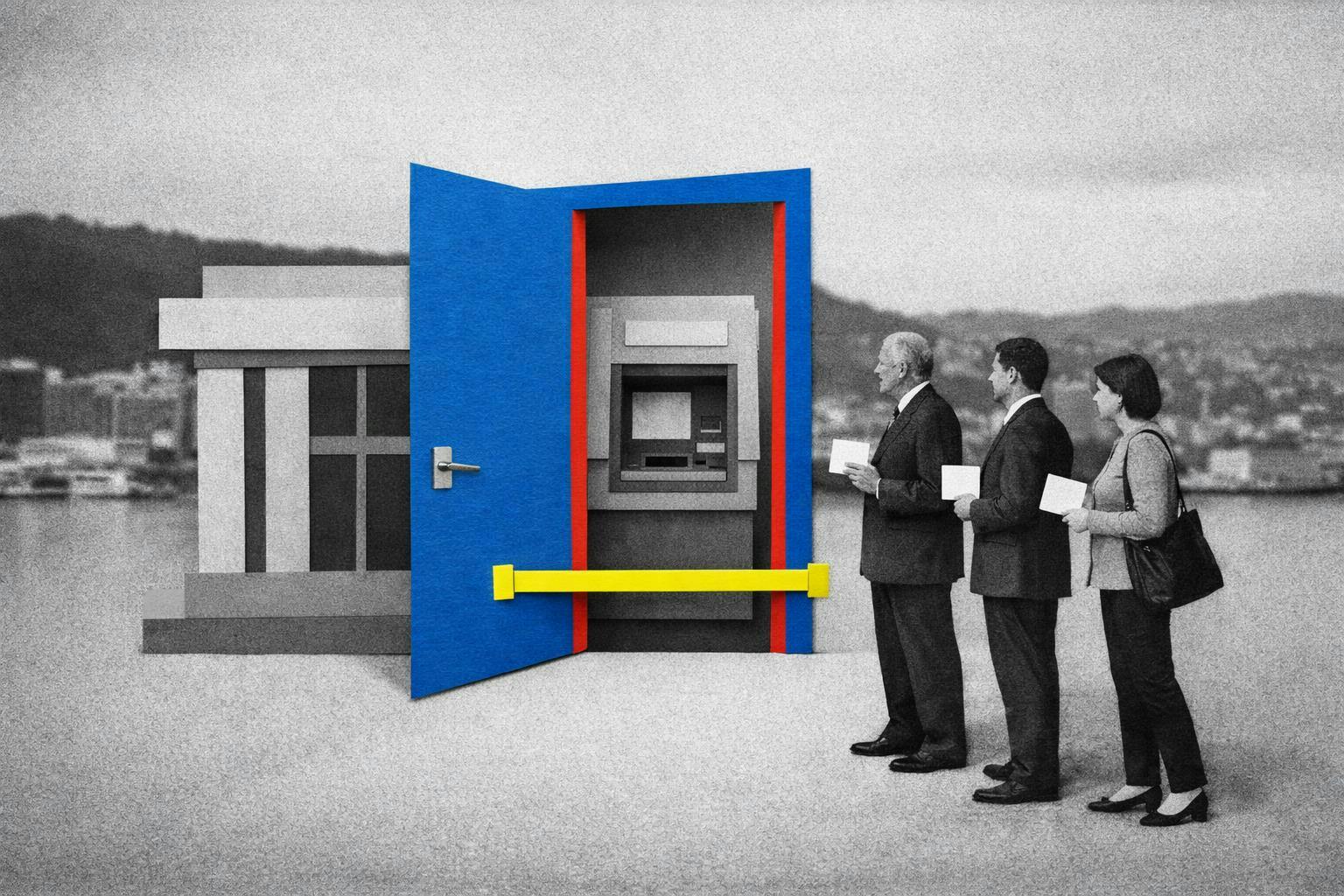
Real-World Impact: From Barriers to Independence
The true value of Westpac’s initiative isn't found in a spreadsheet; it’s found in the stories of the people who now have a debit card in their wallet for the first time.
Consider the case of vulnerable youth. Recently, Westpac highlighted a scenario involving 16 and 17-year-old siblings who were struggling to access government benefits because they didn't have the "standard" documentation most banks demand. By using simplified ID requirements, Westpac was able to open accounts for them, providing a secure "front door" to the economy. This allowed them to receive direct deposits and start their lives with financial independence.
Beyond youth, Westpac’s dedicated financial inclusion team works directly with advocacy groups to reach the homeless. For someone living on the street, losing an ID card is common. In a traditional banking world, that person is "deleted" from the system. Westpac’s model allows for a more human-centric approach:
- Partnership Verification: Working with a trusted shelter or social worker to verify the individual's identity.
- Guided Setup: Helping the customer understand how to use digital tools safely.
- Financial Safety Nets: Setting spend limits that prevent a single mistake from wiping out a week's worth of support.
Why Financial Inclusion is a Competitive Battleground
From a product lens, some might ask why a major bank would invest so heavily in "fee-free" accounts for low-balance customers. The answer is twofold: social license and long-term strategy.
First, banking is increasingly seen as a social utility. To maintain their "social license to operate," major institutions must prove they serve the entire community, not just high-net-worth individuals.
Second, inclusion is a "front door" strategy. A 17-year-old who receives their first benefit via a Westpac basic account is likely to stay with that bank as they enter the workforce, save for a car, or eventually apply for a mortgage. By lowering the barriers to entry today, Westpac is building the customer base of the 2030s and 2040s.
Furthermore, standardized features—like those being developed for the 2026 RBNZ rollout—actually lower compliance costs in the long run. When every bank uses the same "simplified onboarding" framework, it reduces the administrative friction and legal ambiguity that currently makes serving vulnerable populations expensive.
FAQ
Q: Who is eligible for a Westpac basic bank account? A: While the pilot specifically targets vulnerable individuals who struggle with traditional documentation (such as the homeless, refugees, or youth in care), the broader goal is to provide a low-barrier option for anyone who is currently "unbanked" or struggling with standard bank fees.
Q: Will these accounts have a debit card? A: Yes. A core part of financial inclusion is the ability to participate in the digital economy. These accounts typically come with a debit card and access to mobile banking, but with added security guardrails to help users manage their money safely.
Q: When will basic bank accounts be available at every New Zealand bank? A: While Westpac has already pioneered the pilot, the industry-wide consistency backed by the RBNZ’s Memorandum of Understanding is expected to be fully implemented by late 2026.
Conclusion: The Future of the Digital Wallet
The move toward basic bank accounts represents a maturing of the fintech industry. We are moving away from an era where "innovation" only meant faster apps for wealthy users, and toward an era where innovation means universal access. Westpac’s leadership in this space, combined with the upcoming RBNZ framework, ensures that the digital wallet isn't just a tool for the privileged, but a fundamental right for every citizen.