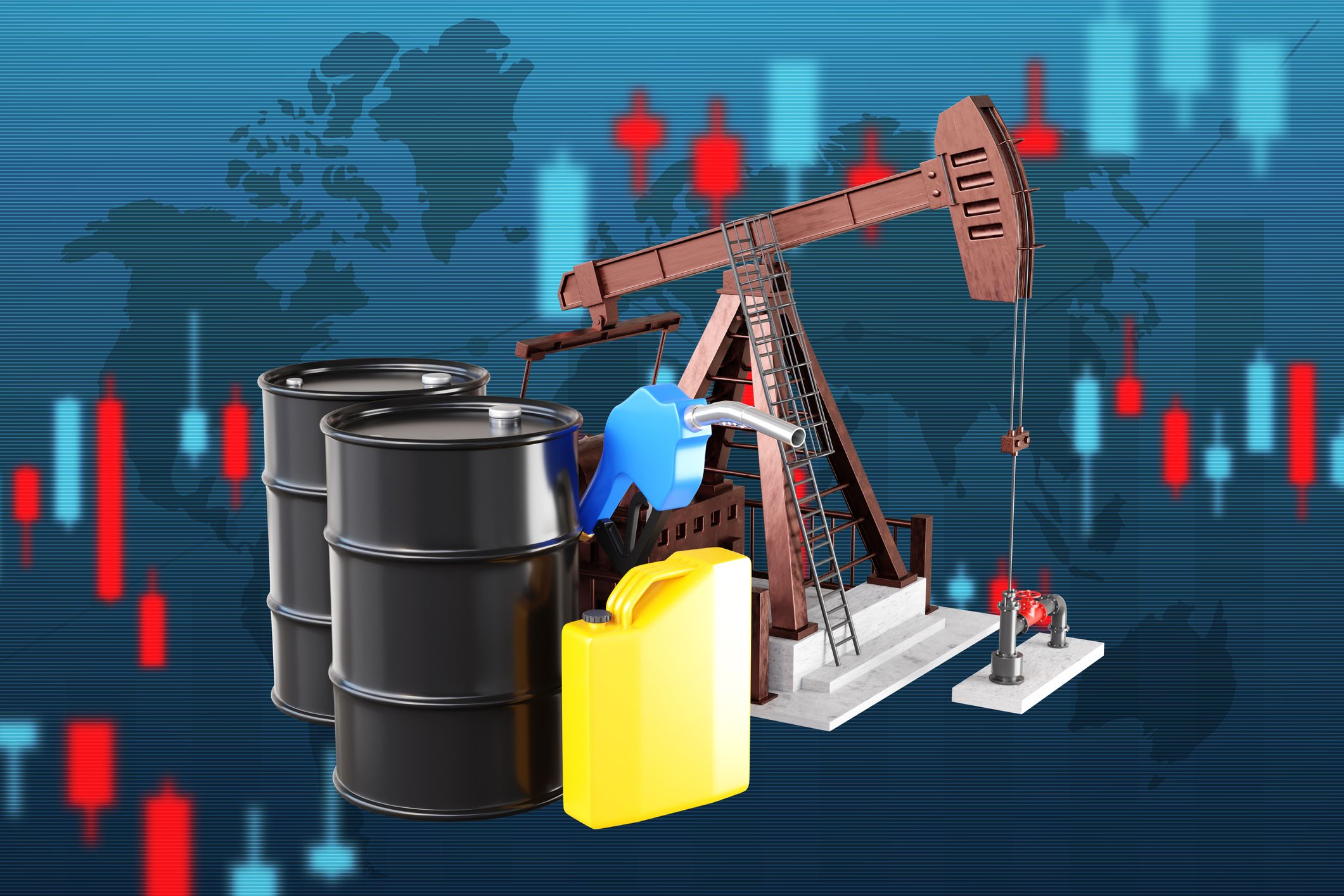
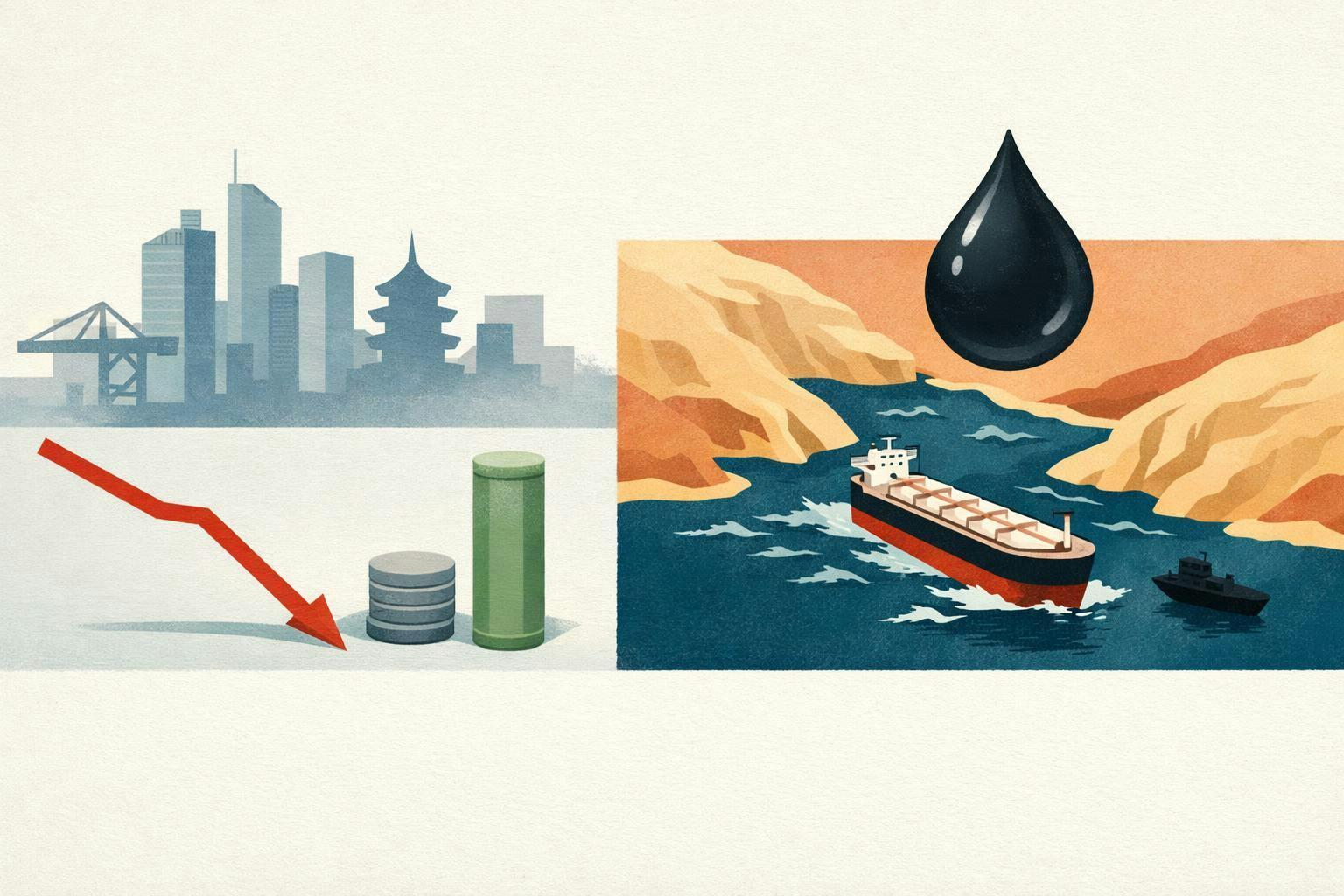
At first glance, Canada’s recent trade data offers a rare moment of statistical reprieve. Recent projections from BMO indicate a significant narrowing of the merchandise trade deficit, expected to settle near $1 billion. In a world where trade imbalances often signal deeper economic malaise, a shrinking gap usually invites optimism. However, for the strategic investor, the "why" behind these numbers is far more critical than the "what." This narrowing gap is less a reflection of a booming manufacturing sector and more a result of price inflation in key commodities—specifically crude oil, natural gas, and precious metals—which are masking a softer undercurrent in the broader economy.
As we look toward 2026, the horizon is dominated by the upcoming review of the Canada-United States-Mexico Agreement (CUSMA). This isn't just another bureaucratic milestone; it is a structural pivot point that will dictate the flow of capital across North America for the next decade. While the trade gap narrows today, the uncertainty surrounding 2026 ensures that volatility remains the only constant for Canadian portfolios.
Commodities: The Engine Behind the Numbers
The current improvement in Canada's trade balance is largely a story of "flattered headlines." When global prices for energy and gold rise, Canada’s export values swell, even if the actual volume of goods being shipped remains stagnant or declines. This creates an illusion of health that obscures a persistent "soft patch" in non-energy exports and traditional manufacturing.
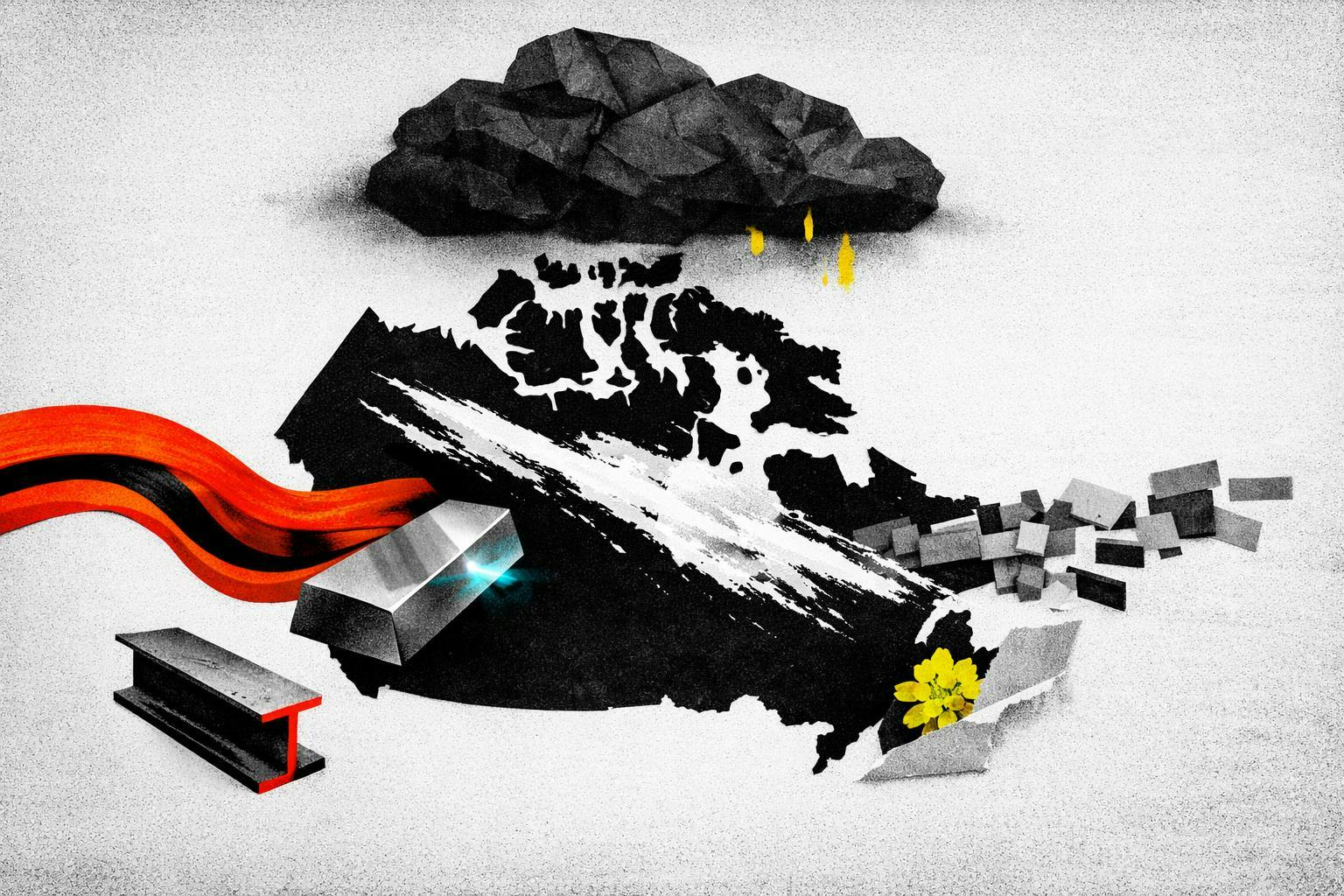
Beyond price fluctuations, recent geopolitical shifts have forced a reconfiguration of shipment routes. For instance, China’s decision to remove tariffs on Canadian canola has revitalized agricultural exports, while Canada’s move to end remissions on steel counter-tariffs reflects a tightening trade stance aimed at protecting domestic industry. These policy pivots are direct contributors to the shifting trade balance, yet they also introduce new layers of logistical complexity.
Investor Note: High energy prices act as a hedge for the Canadian trade balance, but they also increase the "input costs" for the domestic manufacturing sector. Investors should distinguish between companies that benefit from high commodity prices and those whose margins are being squeezed by them.
The CUSMA 2026 Review: A Looming Turning Point
If the trade balance is the current weather, the CUSMA 2026 review is the climate. Under the terms of the agreement, a "Joint Review" is mandated six years after its inception. This means Canada, the United States, and Mexico must formally decide whether to extend the agreement for another 16-year term or enter into a period of annual negotiations that could eventually lead to its dissolution.
The stakes for the Canadian economy cannot be overstated. The 2026 review represents a critical juncture where the three nations will negotiate several high-stakes pillars:
- Rules of Origin: Specifically regarding the automotive sector, where the definition of "North American content" determines whether vehicles cross borders duty-free.
- Digital Trade and Labor Standards: Modernizing the agreement to reflect the shift toward a service-based economy and ensuring fair labor practices across borders.
- Dispute Resolution: Re-evaluating the mechanisms that allow companies to sue governments over policy changes—a perennial point of friction.
For investors, the 2026 review introduces "regime risk." Portfolio allocations made today must account for the possibility of a shift in the North American trade architecture that could favor U.S. domestic production over integrated cross-border supply chains.
Structural Adjustment and the 2026 Economic Outlook
The Bank of Canada is currently projecting a path of "structural adjustment" as the country navigates these headwinds. GDP growth is estimated to remain modest, hitting approximately 1.1% in 2026 before picking up to 1.5% in 2027. This slow-growth environment is the backdrop against which trade policy will be rewritten.
Policy Timeline: The Road to 2026
| Date | Milestone | Impact on Trade |
|---|---|---|
| Jan 1, 2026 | CBSA Updates | New digital reporting requirements for all importers/exporters. |
| July 1, 2026 | CUSMA Review Deadline | The formal decision to renew or renegotiate the trade agreement. |
| Q3 2026 | US Midterm Elections | Political rhetoric likely to impact trade negotiation stances. |
One of the most significant trends we are observing is "Capital Reallocation." Canadian businesses are increasingly reconfiguring their supply chains to reduce over-dependency on single-market routes. While the U.S. remains the primary partner, the push for "friend-shoring"—trading primarily with geopolitical allies—is driving investments into alternative logistics hubs and domestic production facilities.
Regional Spotlight: British Columbia’s Strategic Resilience
While national figures provide the "macro" view, the impact of trade uncertainty is felt most acutely at the regional level. British Columbia stands as a prime example of both risk and resilience. BC’s export economy remains highly integrated with the U.S., making regional sectors like lumber and mining particularly sensitive to even modest 2026 tariff adjustments.
However, BC is also uniquely positioned to weather a North American storm thanks to its Asia-Pacific gateway strategy. Key areas of growth include:
- LNG Development: As the world seeks transition fuels, BC’s liquefied natural gas exports are set to become a major component of the province's trade surplus.
- Critical Minerals: The global demand for copper, lithium, and silver—essential for the green energy transition—places BC's mining sector in a position of strategic strength.
- Lumber and Forestry: While vulnerable to U.S. softwood lumber disputes, the sector is diversifying into high-value engineered wood products for international markets.
Investor Guide: Managing Portfolio Volatility
In an era of "structured uncertainty," the traditional 60/40 portfolio may require a more nuanced approach. As the trade gap narrows and 2026 approaches, we are seeing a tactical shift in asset allocation.
1. From Growth Tech to Value Resources The trade-sensitive nature of the Canadian economy favors a shift toward financials and resource-related industries. Energy producers and mining companies act as a natural hedge against the commodity inflation that is currently narrowing the trade gap.
2. Currency Sensitivities (CAD/USD) The loonie remains highly reactive to trade headlines. Investors should evaluate their exposure to USD-denominated assets. A breakdown in CUSMA negotiations would likely lead to a weaker CAD, benefitting those with significant unhedged U.S. equity exposure but hurting domestic consumers.
3. The "Buy Canadian" Factor Federal procurement and domestic production incentives are becoming more prominent. Companies that align with "Buy Canadian" policies—particularly in the infrastructure and defense sectors—may find a more stable revenue stream that is insulated from cross-border tariff risks.
At a Glance: Trade Indicators
- Projected Jan Trade Deficit: $1 Billion (BMO)
- Projected 2026 GDP Growth: 1.1% (Bank of Canada)
- Primary Export Inflation Drivers: Crude Oil, Gold, Natural Gas
- Key Risk Variable: 2026 CUSMA Sunset Clause
FAQ
Q: Why is the trade gap narrowing if the manufacturing sector is weak? A: The trade balance is measured in dollar value, not just volume. Higher global prices for Canadian commodities like oil and gold are "inflating" the total value of exports, which compensates for the lower volume of manufactured goods being sold abroad.
Q: What happens if CUSMA is not renewed in 2026? A: If the three nations do not agree to a 16-year extension, the agreement does not immediately expire. Instead, it enters a period of annual reviews. This creates significant long-term uncertainty, which typically leads to reduced business investment and increased market volatility.
Q: How should I adjust my portfolio for 2026 tariff risks? A: Diversification is key. Consider increasing exposure to sectors that are less dependent on physical cross-border trade, such as domestic services or utilities, and ensure your commodity-linked holdings are in "low-cost" producers that can survive even if tariffs are applied.
Conclusion
The narrowing of Canada’s trade gap is a welcome headline, but for the risk-aware investor, it is a signal to look deeper. The 2026 CUSMA review represents a fundamental re-evaluation of North American economics. By understanding the role of commodity inflation today and the structural shifts of tomorrow, investors can position themselves not just to survive the uncertainty, but to capitalize on the new trade realities of the late 2020s.